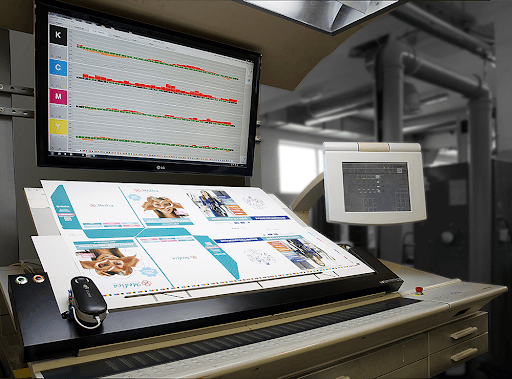
In modern offset printing, achieving consistent quality throughout a print run is no longer just a matter of operator experience—it is powered by advanced digital tools that offer precise control, real-time monitoring, and automated adjustments.
As print buyers demand higher accuracy, tighter color tolerances, and faster turnaround times, printers who use the right technology gain a major competitive edge.
This guide explores the best digital tools that ensure quality, efficiency, and stability during offset printing.
Inline Color Measurement Systems
Inline color measurement tools analyze color values directly on the sheet during production, allowing continuous color control without stopping the press.
Top Solutions
Heidelberg Image Control & Inpress Control
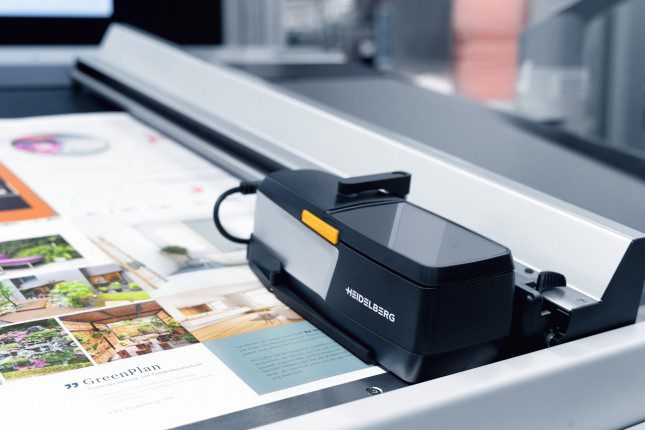
Measures color and register directly in the printing unit.
Automated color adjustments reduce waste and setup time.
Komori PDC-SX / PQA-S
Spectral scanning system for precise color correction.
Real-time monitoring of density, dot gain, and grey balance.
Benefits
– Minimal human error
-Instant detection of color drift
-Consistent quality throughout long print runs
Case Study: Heidelberg Inpress Control at a “All Color Printers“
Tool: Heidelberg Inpress Control 3
A family-owned print shop based in Deer Park, NY, recently upgraded its capabilities with the installation of a Speedmaster XL 106-7+L from HEIDELBERG.
With speeds up to 18,000 sph, All Color’s seven-color XL 106 is equipped with UV curing and HEIDELBERG’s latest technology including Push to Stop, AutoPlate Pro, Prinect Inpress Control 3, and the HEIDELBERG UX, featuring AI-powered press assistance systems.
Results
40% faster make-ready
Average waste less than 1%
More consistent color on coated board
Closed-Loop Color Control Systems
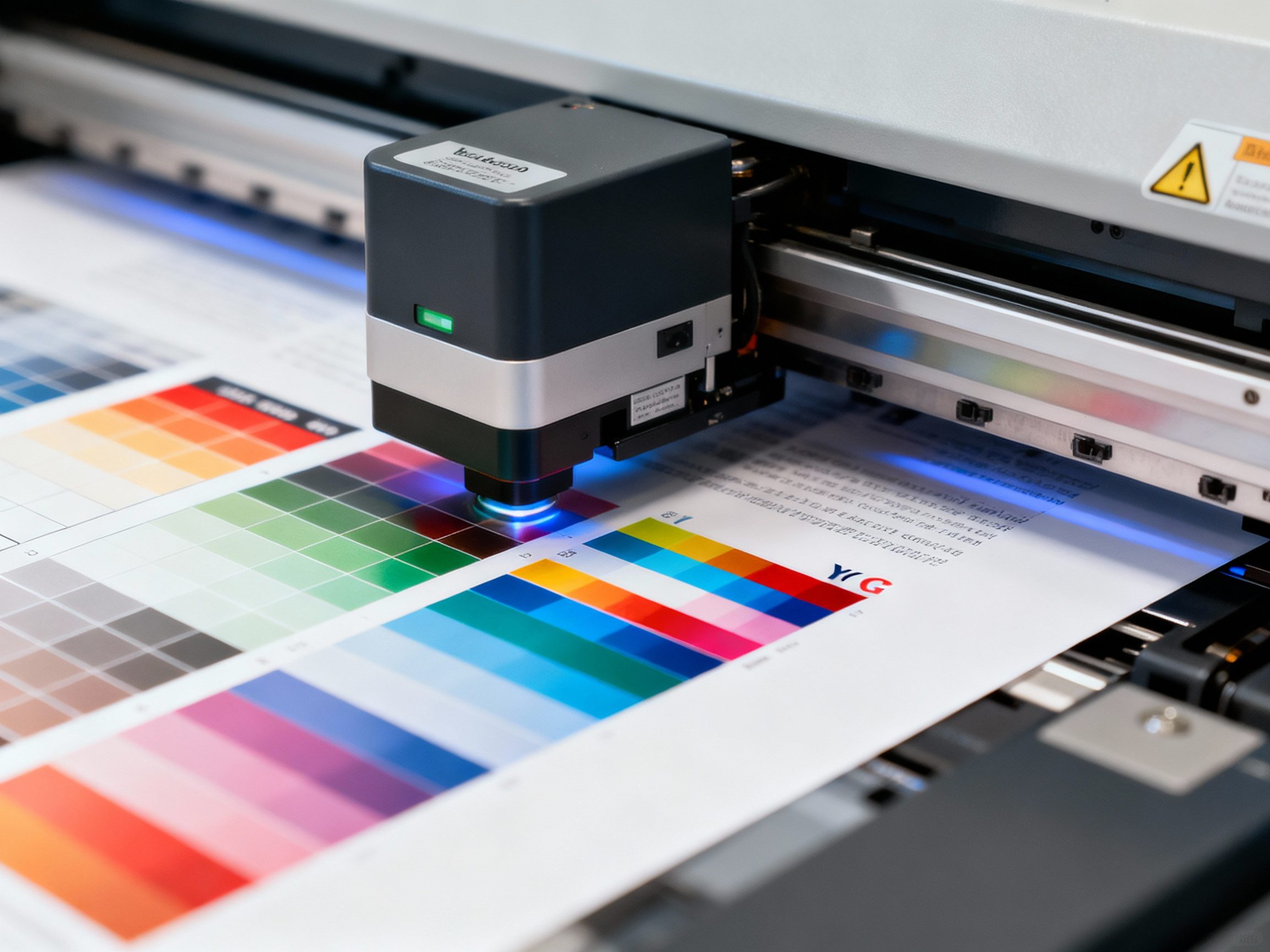
Closed-loop systems automatically correct ink keys based on data from measurement devices.
Top Solutions
X-Rite Intellitrax2
Fast scanning of press sheets.
Automatic feedback for ink-zone adjustments.
Techkon SpectroDrive + Expresso Software
Motorized scanning and detailed color analysis.
Integrates with multiple press consoles.
Benefits
Faster make-ready
Standardized production
Reduced ink consumption
Case Study: X-Rite Intellitrax2 in a printing house in France
High quality printer Manufacture d’Histoires des Deux-Ponts from France implemented X-Rite IntelliTrax with Rutherford IntelliSET and IntelliLOOP for closed-loop CIP3 optimization and color control.
Results
Paper waste reduced by more than 40%
Dramatic improvement in grey balance consistency
Faster color matching to client proofs
Print Quality Inspection Cameras
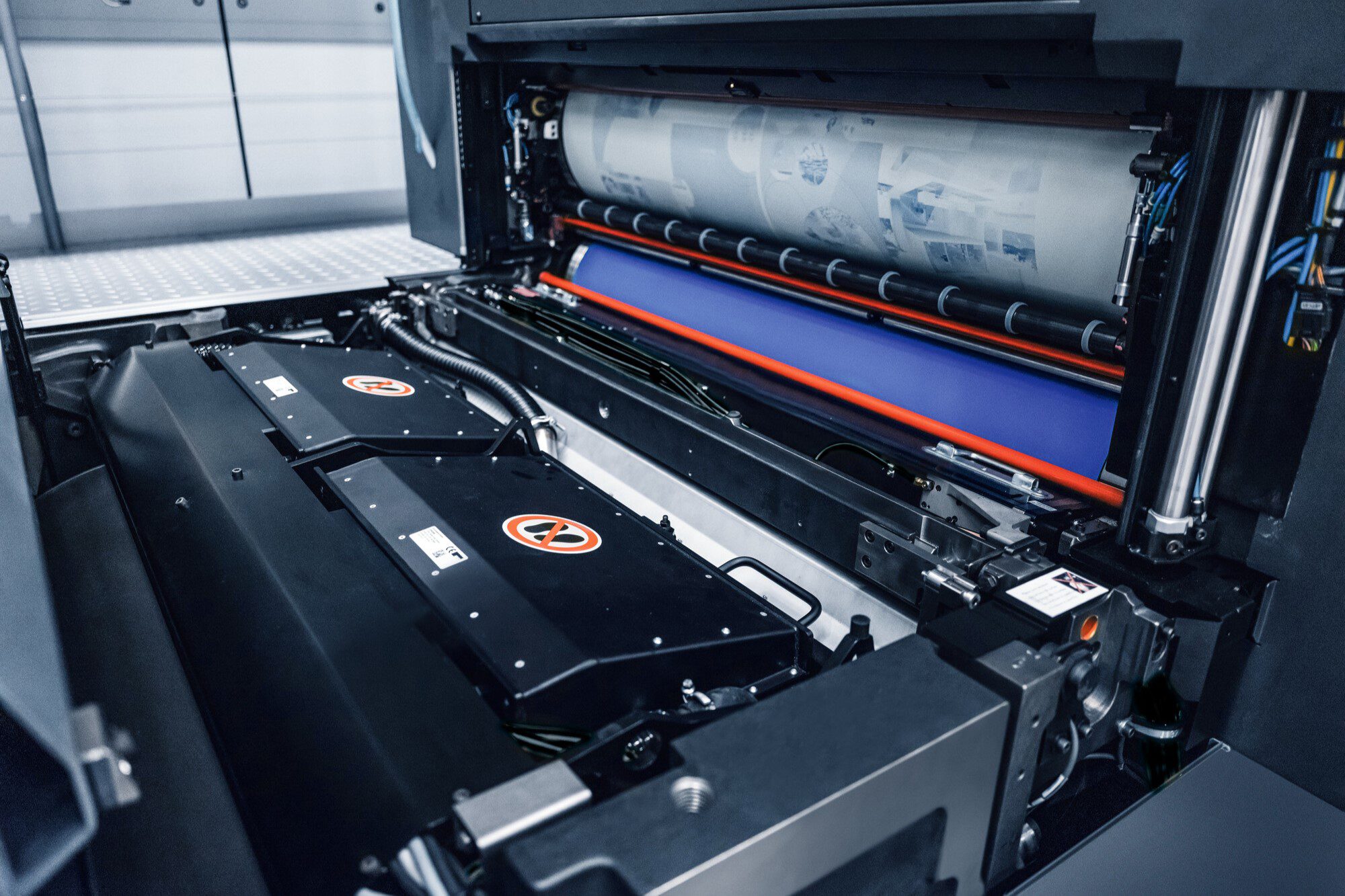
High-resolution cameras scan every sheet or selected sheets for defects such as hickeys, streaks, color variation, or register issues.
Top Solutions
Prinect Inspection Control 4
BST eltromat TubeScan
AVT Helios / Argus Systems
They Help Detect
Misregister
Color instability
Print defects
Contamination on printing plates or blankets
Why It Matters
Inspection systems prevent large batches of defective prints, saving both time and material.
Case Study: AVT Helios Used in a famous label printing company in France
A label printing company installed the AVT Helios inspection system.
According to their plant manager results are excellent.
“We increased productivity by about 30%. We reduced paper wastage, unnecessary re-prints, time and machine stops.
In term of quality, 99% of defects are removed now prior to shipment.”
CIP3/CIP4 Workflow Integration
Digital prepress data is used to preset ink keys, dampening values, and other press parameters before production.
Benefits
Perfect press presetting
Faster job changeovers
Less operator intervention
Better color accuracy from the first sheet
Tools like Heidelberg Prinect, Kodak Prinergy, and Agfa Apogee support full workflow automation through JDF.
Case Study: Prinect Workflow at Tipolitografia Pagani Italy
Performance
- Ink presetting accuracy increased dramatically
- Press operators say the first sheet is now “80% closer to target color”
- Reduced setup time on average by 9–12 minutes per job
User Opinion
“The APSC (Automatic Paper Stretch Compensation) system helps us maintain precise register alignment based on sheet size and weight, reducing paper waste and setup time while ensuring higher quality.
The DFE (Digital Front End) is also highly valuable, allowing seamless file switching between offset and digital presses.”
“Ten years after our initial investment in Prinect, I would make the same choice again.
I am also very satisfied with the technical support provided by HEIDELBERG Italy.”
— Iulian Sofian, Production Manager at Tipolitografia Pagani
Printing Console Software
Modern press consoles are powerful digital hubs that control every aspect of the offset press.
Examples
- Heidelberg Prinect Press Center XL 3
- Komori H-UV/GLX KHS-AI Console
- RMGT IQ/SIMR-MIS Console
Key Functions
- Live visualization of color data
- Automatic register control
- Ink, water, and speed adjustments
- Integration with inspection cameras and spectrophotometers
Digital Register Control Systems
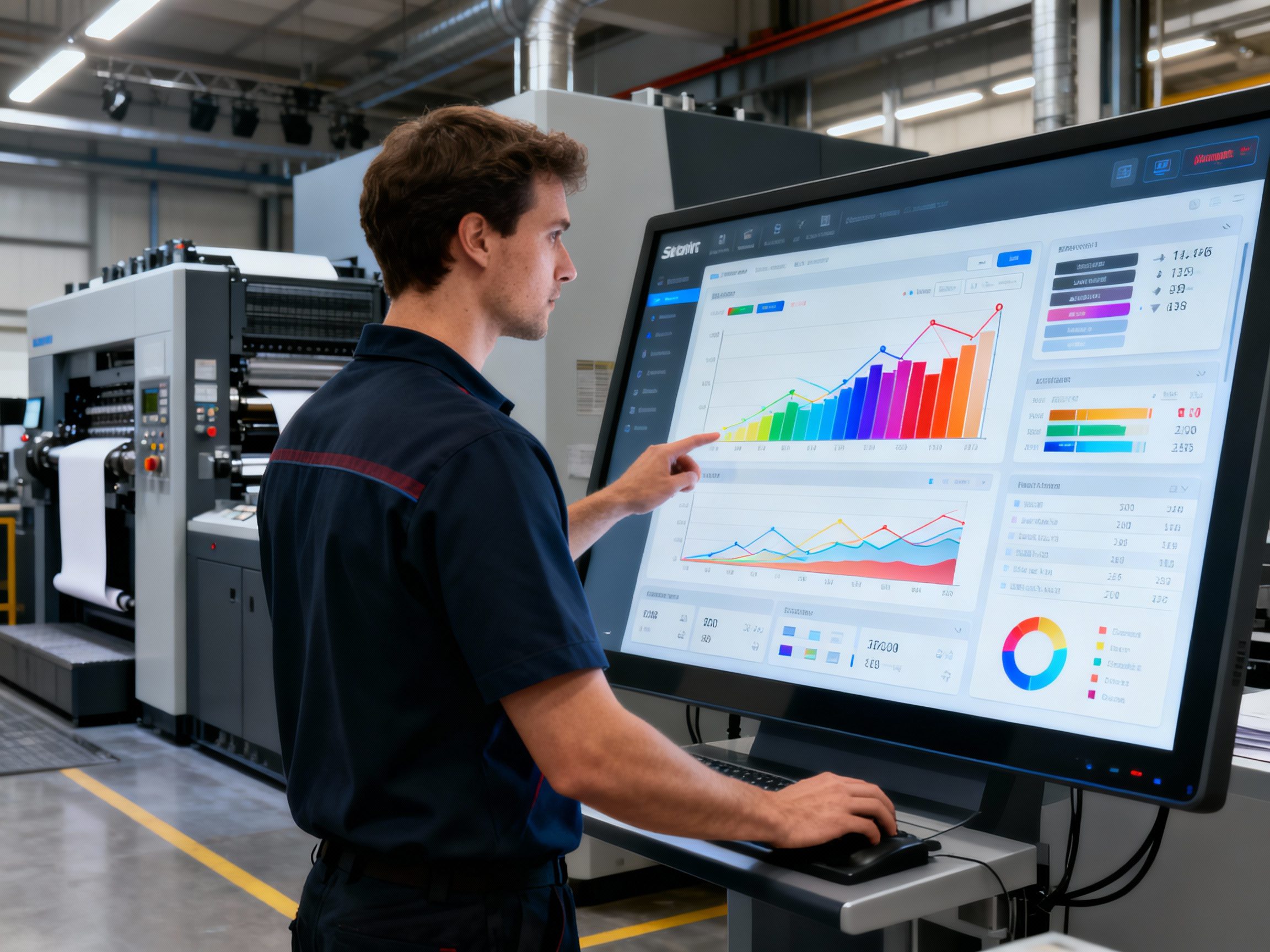
These systems automatically align colors and ensure perfect fit across all printing units.
Examples
- Heidelberg Autoregister
- Erhardt+Leimer (E+L) Register Control
- Komori A-APC (Automatic Plate Change + Register)
Benefits
- Perfect multi-color alignment
- Reduced waste during setup
- Improved consistency on high-speed runs
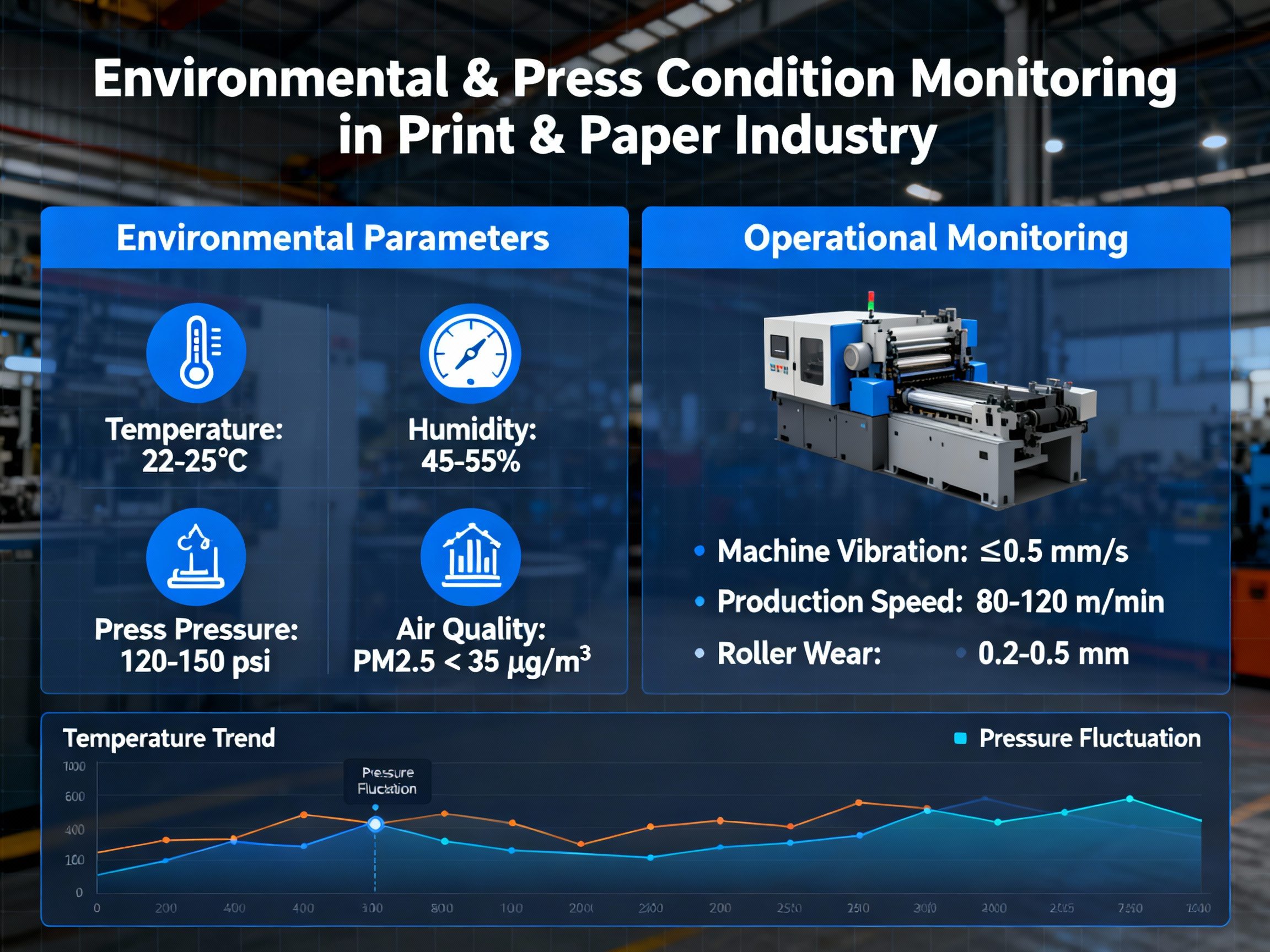
Environmental and Press Condition Monitoring
Digital tools now track pressroom conditions and machine performance to ensure stable printing.
Top Tools
Pressroom climate monitoring systems (temperature, humidity)
Ink viscosity sensors
Fountain solution conductivity monitors
Predictive maintenance software
Why It’s Important
Offset printing is sensitive to climate and chemical changes.
Automated monitoring keeps conditions optimal.
Case Study: Climate-Controlled Pressrooms
Maintaining the correct temperature and humidity in an offset pressroom is essential for consistent ink/water balance, predictable color behavior, and trouble-free production.
While individual print shops often do not publish detailed humidity-control case studies, some installations are documented through major industry humidification suppliers.
Example: HygroMatik Installations in Print & Paper Industry
HygroMatik provides industrial humidification solutions used by multiple printing and paper companies.
Their report “Air Humidification in the Print & Paper Industry” details how controlled humidity helps stabilize print quality, reduce paper dimensional changes, and prevent issues such as plate sensitivity or moiré.
Key improvements reported by HygroMatik customers:
- Consistent ink/water balance even during long runs
- Reduced static electricity and paper curl
- Fewer printing defects such as moiré and dot distortion
- Lower machine downtime, especially with humidity-sensitive substrates
You can review the verified documentation here: HygroMatik – Air Humidification in the Print & Paper Industry
Example: Condair Humidification Systems
Condair, another leading humidification provider, lists several installations across the printing, packaging, and converting industries.
Their documentation highlights cases where printing plants achieved:
- More stable color due to consistent moisture content
- Fewer web breaks / sheet distortions
- Longer equipment lifetime
- Better performance on UV and LED-UV presses
Their published brochure specifically covers benefits for printing houses:Condair – Humidification in the Printing Industry
Conclusion
Digital control tools—from inline color measurement to automated register systems—are not optional for print shops that aim to stay competitive.
Real-world users consistently report that these investments pay off in efficiency, quality, and customer satisfaction, provided that calibration, training, and integration are done well.
By leveraging these systems, printers can elevate consistency, reduce costs, lower defects, and deliver a more reliable product — all while minimizing manual intervention and human error.