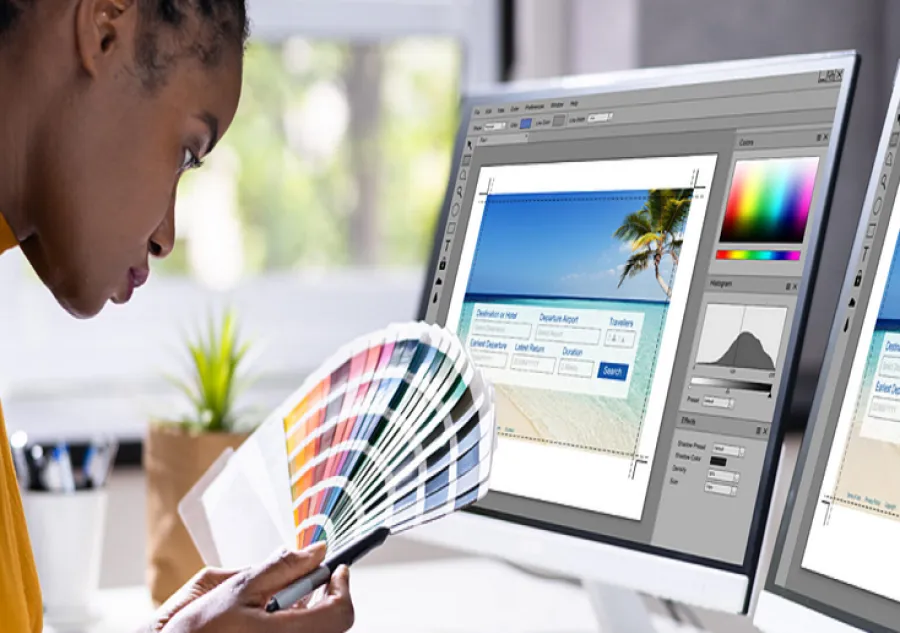
Prepress refers to the processes and procedures that take place between the creation of a digital print layout and the actual printing on press.
Phase like this is crucial in both the printing and publishing industries, ensuring that all digital materials are accurately engineered,color separated and prepared for printing.
The prepress procedure involves taking a customer’s electronic files—typically high-resolution PDFs or native application files from Adobe InDesign—and transforming them into a physical image carrier (the printing plate) ready for mounting on an offset cylinder.
It also includes comprehensive preflighting, color adjustments, screening, and imposition to guarantee a flawless, high-quality final print run.
The Evolution of the Prepress Process: From Film to CTP
Historically, the prepress process involved creating film negatives from digital files.
These negatives were placed over photosensitive plates, and a controlled amount of UV light was passed through the film to expose the plate and activate its ink-receptive coating (oleophilic coating).
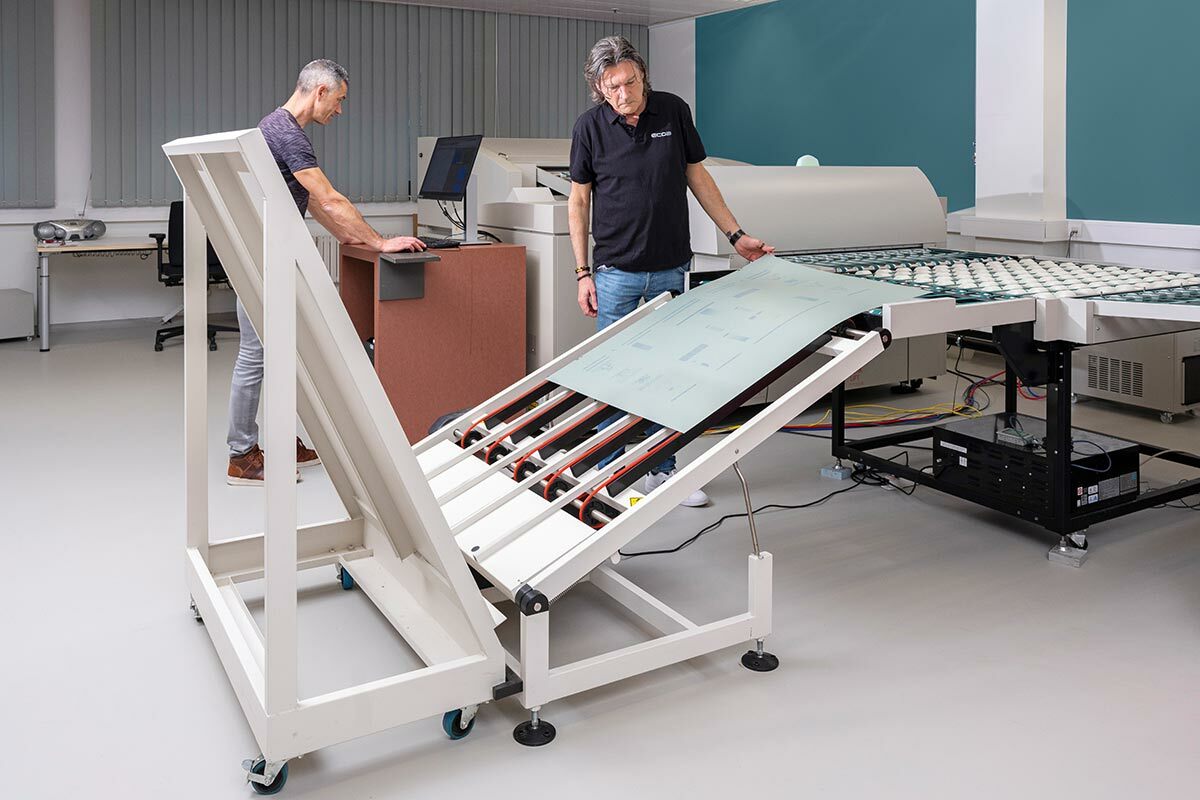
Today, this analog process has been almost entirely replaced by Computer-to-Plate technology.
CTP systems bypass the film stage entirely, using thermal or violet lasers to directly image the digital files onto aluminum printing plates.
This modern workflow drastically reduces prepress time, eliminates film-related registration errors, and delivers significantly sharper halftone dots.
In standard commercial offset printing, each primary process color—Cyan, Magenta, Yellow, and Black (CMYK)—requires its own precisely imaged aluminum plate.
Through the combination of these four plates, the press can reproduce millions of visible colors.
Key Prepress Processes
A modern prepress department executes several highly technical operations before a job ever reaches the pressroom.
Preflighting
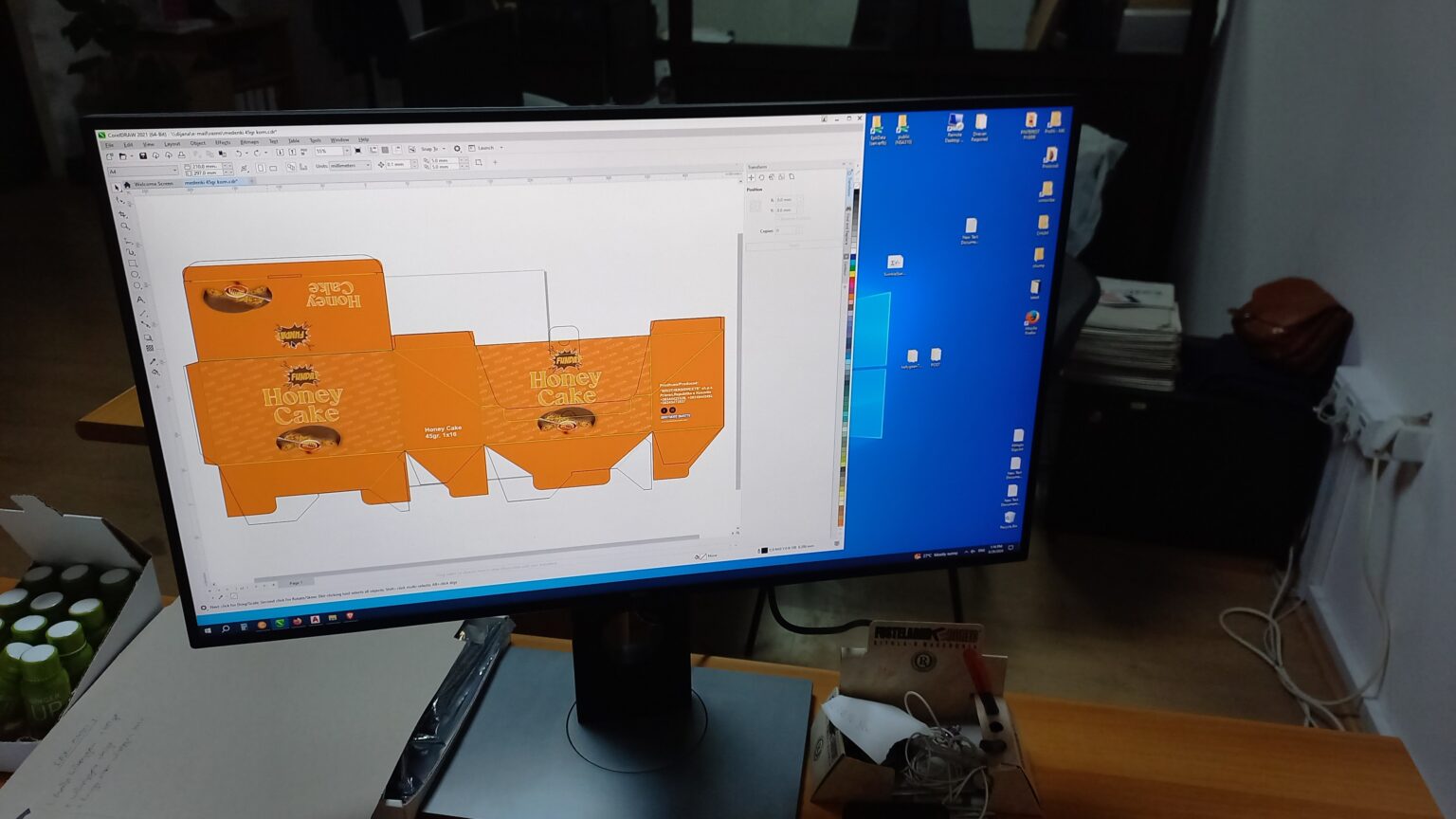
The automated or manual inspection of incoming digital files to ensure all fonts are embedded, images meet resolution requirements (typically 300 DPI), and color spaces are strictly CMYK (or specified Pantone spot colors).
Typesetting & Markup
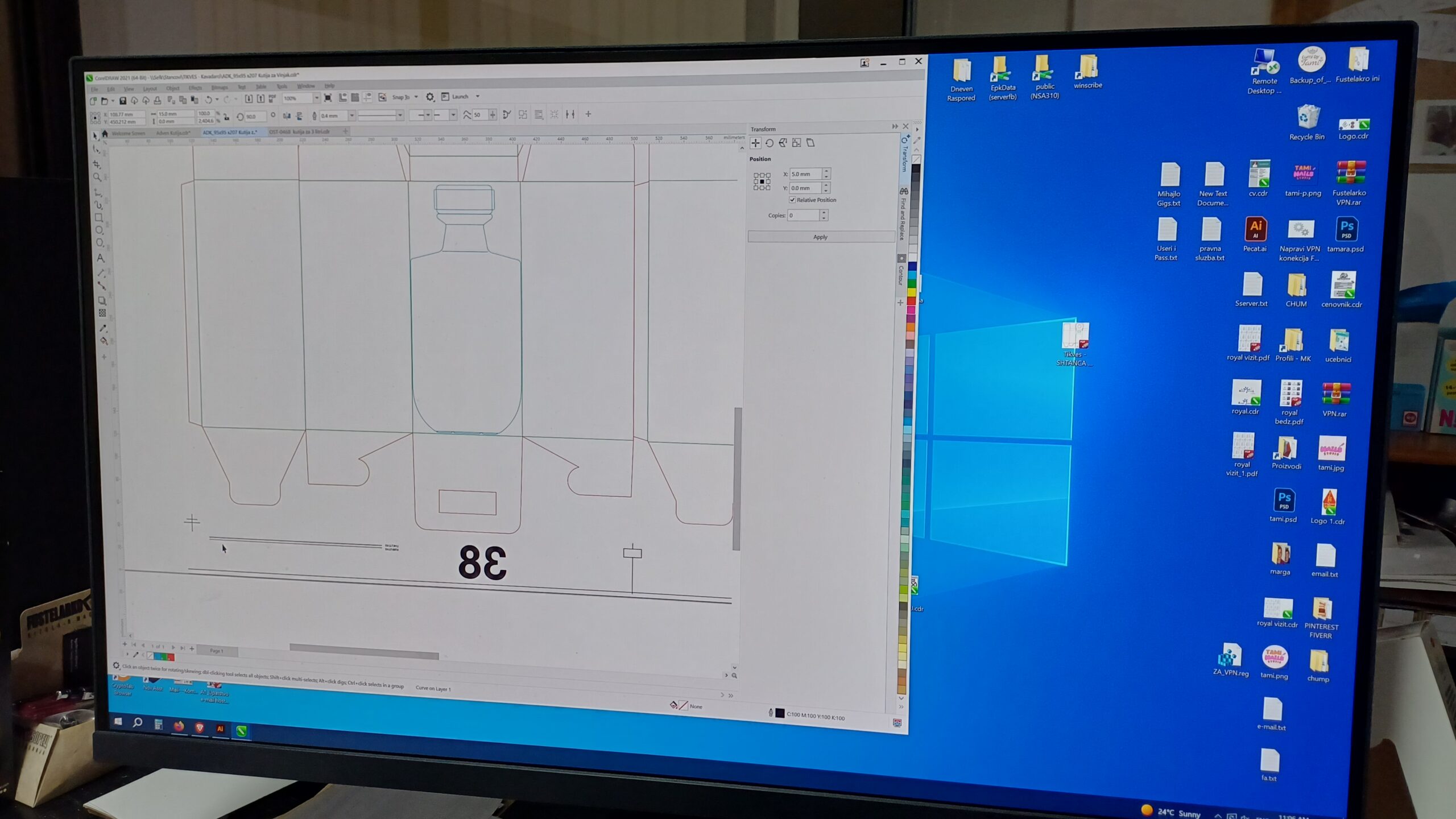
The digital arrangement of textual material and formatting instructions.
While traditionally done by hand, this is now managed through advanced desktop publishing software like AdobeInDesign or QuarkXPress.
Color Separation
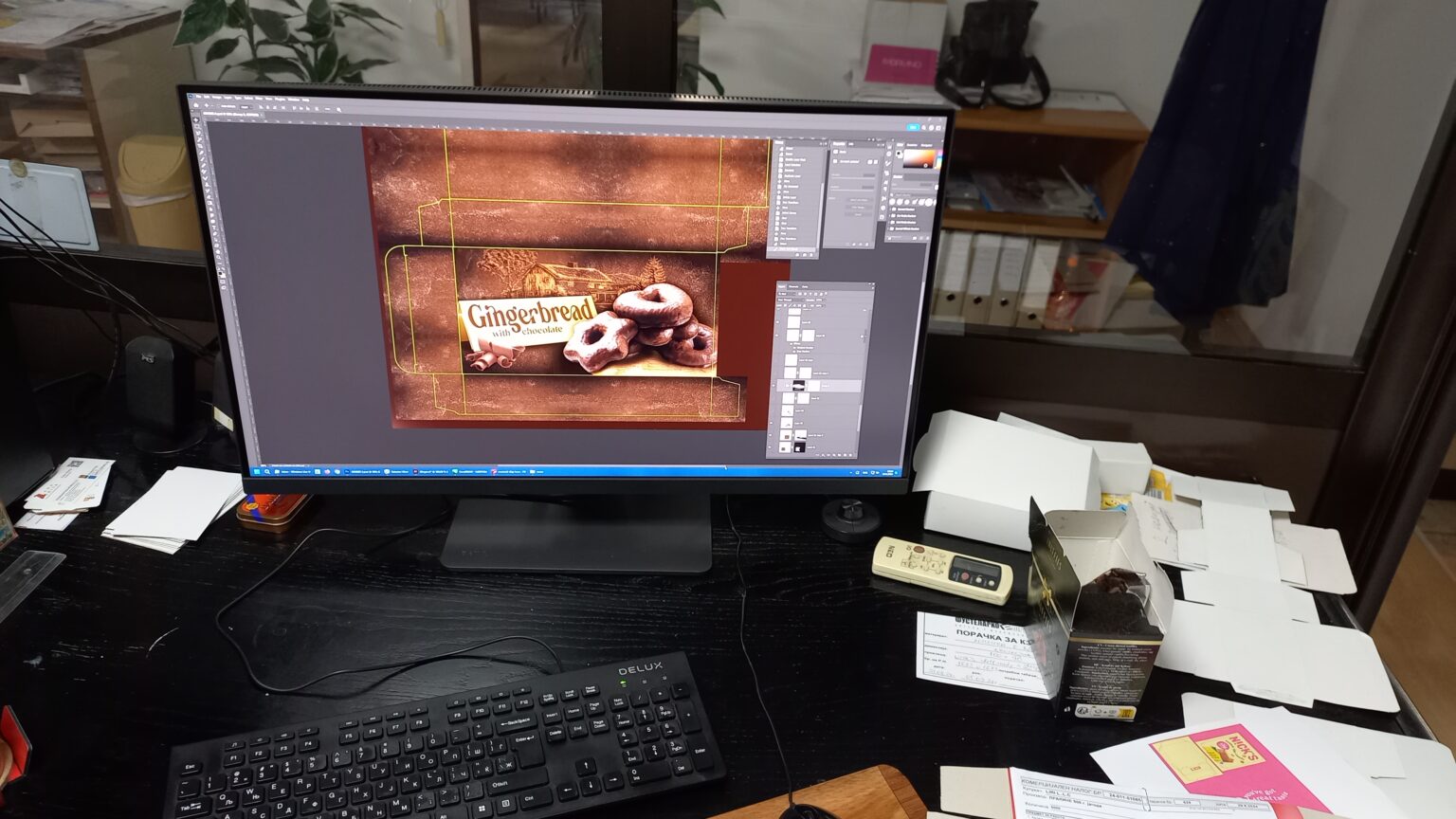
The process of dividing a full-color composite image into its four foundational CMYK channels, designating specific data for the individual printing plates.
Screening
The conversion of continuous-tone images (like photographs) into printable halftone dots.
Advanced screening algorithms (like AM, FM, or hybrid screening) are applied to ensure smooth gradients and to prevent moiré patterns.
Imposition
The strategic arrangement of multiple individual pages onto a single large press sheet (signature).
Proper imposition ensures that when the final printed sheet is folded and trimmed, the pages appear in the correct sequential order.
Plate Manufacturing
The imaging and chemical/thermal processing of aluminum plates.
Aluminum is the industry standard due to its durability, dimensional stability on the printing press cylinder, and high-resolution imaging capabilities.
Proofing: Validating the Print Job
Proofing is the creation of an accurate visual facsimile of the artwork before mass production begins.
It serves as a strict quality control checkpoint and an official contract between the printer and the client.

There are three critical types of proofs in offset lithography:
| Type of Proof | Purpose & Description |
|---|---|
| Print-Ready PDF (Soft Proof) | A digital file checked on color-calibrated monitors after layout adjustments and preflighting at the print facility. Used for quick text and layout verification. |
| Contract Hard-Copy Proof | A high-resolution, color-accurate physical print (often produced on specialized inkjet proofers) used by the customer to sign off on final color expectations. |
| Imposition Proof (Blueline) | A large-format, low-resolution physical proof folded to replicate the final product. Used by operators to check page sequence, bleeds, and margins before plating. |
Prepress Workflow Management
A successful prepress workflow relies on seamless integration between software and hardware.
Workflows vary significantly depending on the final product—whether it is commercial catalogs, packaging, or direct mail.
Modern prepress automation utilizes strictly defined PDF/X standards to automate trapping, color management, and file routing, ensuring that the transition from graphic design to the physical offset printing press is perfectly calibrated.
Conclusion
Prepress is the vital bridge between creative design and industrial manufacturing.
By implementing rigorous prepress procedures—from strict preflighting and accurate CMYK separation to precise CTP plate imaging—printers can eliminate costly on-press errors, optimize paper utilization, and guarantee a superior final printed product.
Frequently Asked Questions (FAQ) – Offset Prepress
What is prepress in offset printing?
Prepress encompasses all the technical processes that occur between the completion of a digital design and the actual printing on the press. It involves file preflighting, CMYK color separation, image screening, imposition, and the manufacturing of aluminum printing plates.
What is Computer-to-Plate (CTP) technology?
Computer-to-Plate (CTP) is a modern prepress technology that bypasses traditional film negatives. It uses highly accurate thermal or violet lasers to directly transfer digital image files onto aluminum offset printing plates, resulting in faster turnaround times and sharper image quality.
Why is imposition necessary in the prepress stage?
Imposition is the strategic arrangement of multiple pages on a single, large press sheet. It ensures that when the printed sheet is cut, folded, and bound, all pages appear in the correct sequential order with the proper margins and bleeds.
What is the difference between a soft proof and a contract hard proof?
A soft proof is a digital PDF viewed on a color-calibrated monitor, typically used for quick text and layout checks. A contract hard proof is a high-resolution physical printout that accurately predicts the final press color, serving as a binding agreement for color quality between the client and printer.