Comprehensive Guide to Post-Press Techniques: Quality and Perfection
The transition from a freshly printed offset sheet to a premium, functional packaging product relies entirely on advanced post-press techniques. These specialized finishing processes—ranging from high-end tactile enhancements to precise structural assembly—dictate the final quality, structural integrity, and visual perfection of the printed carton.
1. Hot Foil Stamping
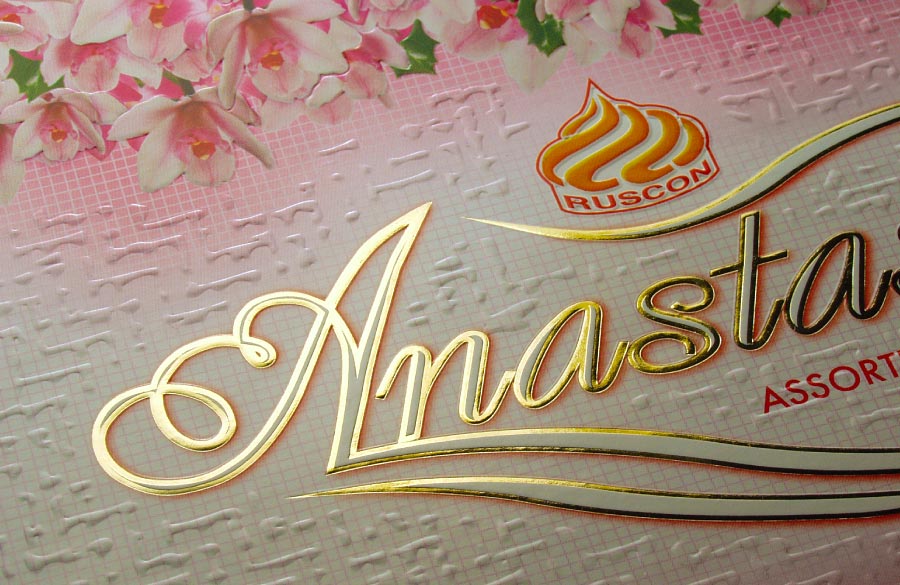
Foil stamping is a premium finishing technique involving the application of pigment or metallic foil (most commonly gold or silver) directly onto the paper substrate. Utilizing a precisely heated metal die, the press stamps the foil, activating the adhesive backing and permanently bonding the die’s exact design onto the paper surface.
Foil types are selected based on the design requirements:
- Metallic Foils: Provide high-end, reflective finishes (Gold, Silver, Copper).
- Pigment & Pastel Foils: Deliver flat, opaque colors or white special film-backed materials for stark contrast on dark substrates.
- Application Suitability: Certain foil formulations are optimized for fine line work, while others are chemically suited for covering large, solid areas.
Pro Tip: Foil stamping can be combined with embossing (foil embossing) to create a highly striking, 3D tactile image. Learn more detailed information about Hot Foil Stamping here.
2. Embossing and Debossing
Embossing and debossing create magnificent graphic elements by altering the physical topography of the printed paperboard, allowing designs to be either raised or recessed. This requires customized tooling, typically consisting of both a raised male die and a recessed female die.
| Technique | Mechanism | Visual Result |
|---|---|---|
| Embossing | Presses the substrate upward from underneath. | Places a tactile, raised 3D image protruding from the box panel. |
| Debossing | Presses the substrate downward from the top. | Presses the image deep into the surface of the paperboard. |
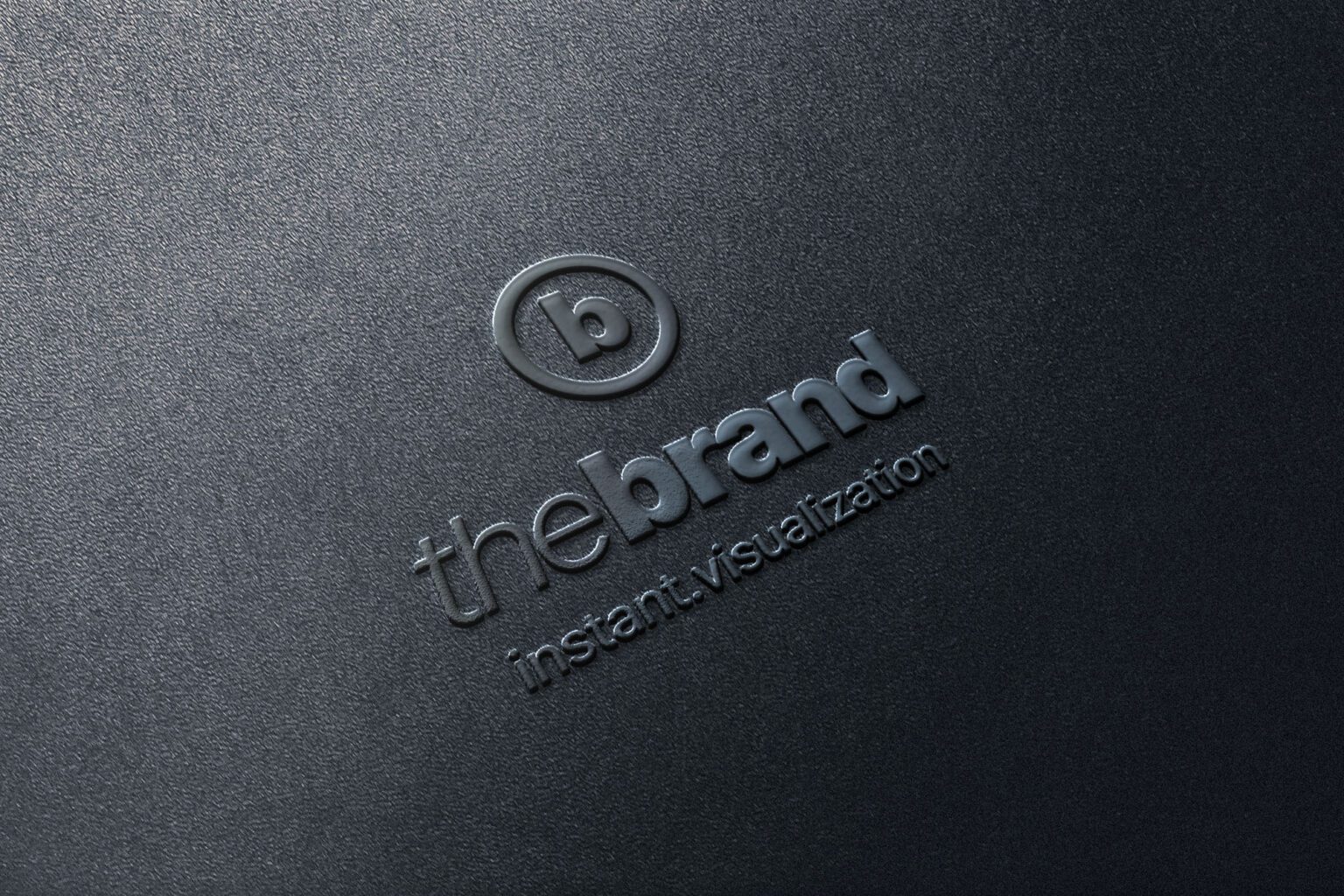
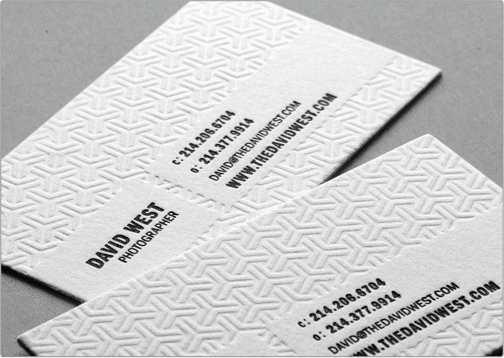
The Creasing Analogy: Just as a carton score requires a female channel into which the steel creasing rule presses the paperboard (allowing it to fold without cracking), elaborate debossing or embossing requires exact male/female die registration to manipulate the paper fibers cleanly.
3. Window Patching
Sometimes there is no substitute for letting the consumer see exactly what is inside the box. Window patching is the highly precise process of placing and gluing a transparent rectangular film patch over a specific die-cut opening on a folding carton. This serves dual purposes: functional protection (preventing product contact with the raw carton edges) and aesthetic appeal (showcasing the actual product).
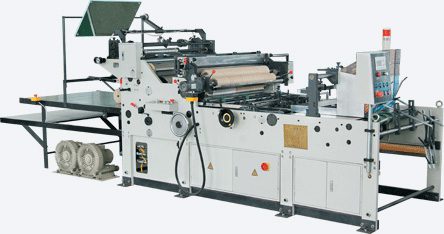
The Window Patching Process: How It’s Done
- Feeding: Die-cut carton blanks are fed rapidly, printed side down, into the window patching machine.
- Adhesive Application: A precise pattern of liquid adhesive is applied directly to the cardboard around the die-cut perimeter.
- Film Cutting: A continuous roll of transparent window material is unwound and accurately severed to the desired patch length.
- Vacuum Transfer: This cut “patch” is immediately transferred and held securely onto a rotating vacuum cylinder.
- Compression: At the exact micro-second required, the vacuum is released, and the patch is compressed firmly onto the adhesive-lined carton as it passes below.
4. Folding and Gluing
The final stage in folding carton manufacturing is structural assembly. The flat, die-cut, and finished box blank must be mechanically folded and glued. High-speed folder-gluer machines apply adhesive to one or more specific glue flaps, folding the carton along its pre-scored lines.
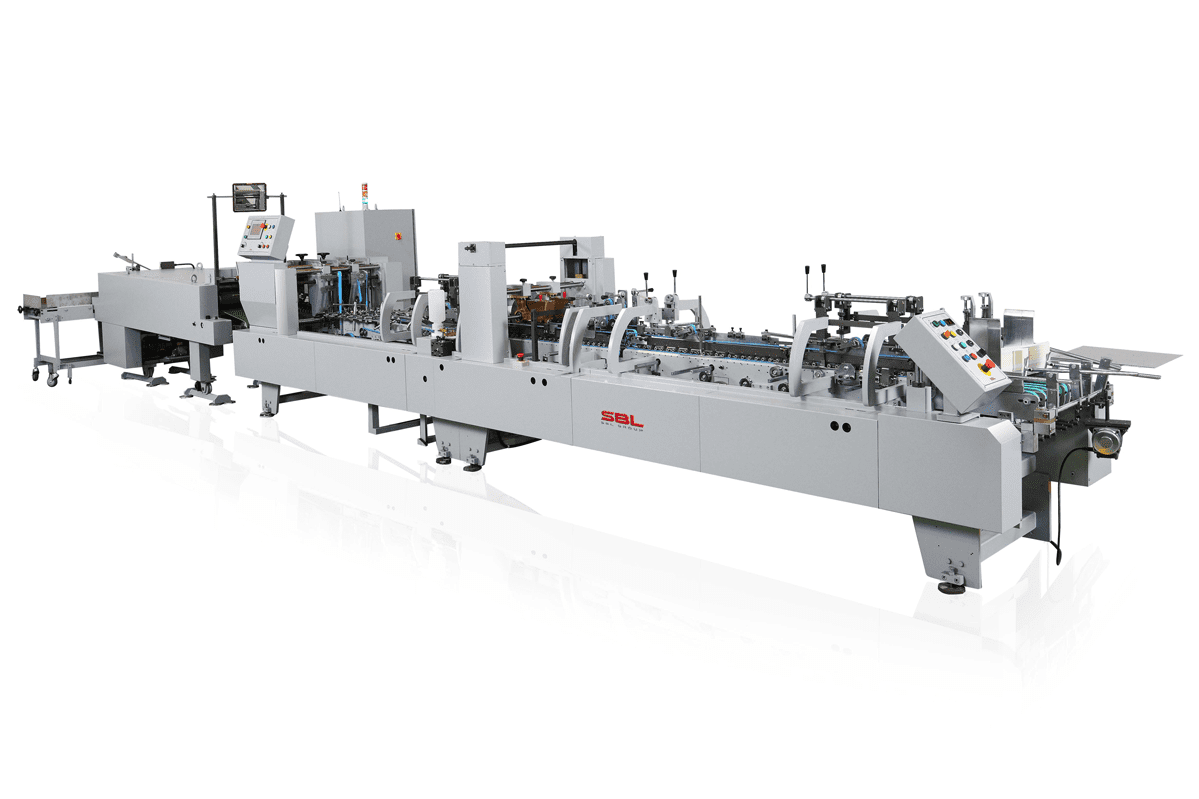
The carton is then compressed and delivered flat for efficient shipping. Upon reaching the customer or co-packer, the flat carton is easily “popped” open, formed into a rigid structural tube, and efficiently filled with the end product.
Post-Press Techniques FAQ
What is the difference between embossing and debossing?
Embossing uses a die to push the paper upwards, creating a raised, tactile 3D design on the surface of the carton. Debossing does the exact opposite; it pushes the paper downwards, leaving a recessed or sunken impression into the paperboard.
Can foil stamping be applied without metallic colors?
Yes. While gold and silver metallic foils are the most common, foil stamping can also utilize pigment or pastel foils. These deliver flat, opaque colors (like solid white or black) that provide incredible contrast, especially on uncoated or dark-colored paperboard.
How does window patching work on packaging?
During window patching, a machine applies a precise adhesive pattern around a die-cut hole on the cardboard blank. A custom-cut piece of transparent film is then held by a vacuum cylinder and stamped precisely onto the glued area, creating a clear viewing window before the box is folded.