

As digital transformation reshapes industries, the printing sector is not exempt.
While often perceived as a more traditional field, printing businesses today rely on connected systems, digital workflows, cloud-based file sharing, and smart printers—all of which open up new vulnerabilities.
Cybersecurity threats are no longer confined to tech-heavy industries.
From large-scale commercial printers to smaller local providers, printing companies are increasingly being targeted by cybercriminals.
For this reason, enterprise-grade firewalls are no longer a luxury.
They’re a necessity.
Let’s explore why the need for robust firewalls in the printing sector has never been greater.
Print Workflows Are Now Fully Digital
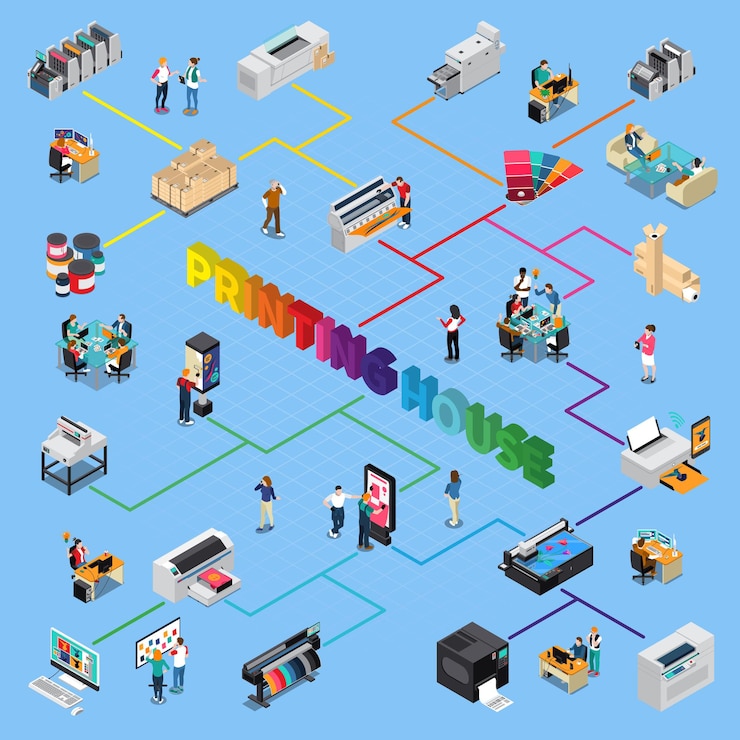
Modern print production is a highly automated, digitally driven process.
Clients send files online, prepress teams work on cloud-connected design tools, and printers are integrated into larger networks.
This creates multiple points of entry for attackers. A single vulnerability—such as an open network port or outdated firmware on a connected printer—can give hackers access to an entire system.
Once inside, they can steal client files, halt production, or launch ransomware attacks.
Enterprise-grade firewalls serve as gatekeepers, inspecting traffic in real time, detecting anomalies, and blocking threats before they spread.
Sensitive Data Is Constantly Exchanged
Printing businesses handle a surprising amount of sensitive data—marketing materials, proprietary designs, internal corporate documents, and even legal or financial records.
For clients in finance, law, or healthcare, data breaches caused by poor network security can result in lost contracts or legal action.
An advanced firewall helps ensure that all data transfers are encrypted and secure, while also controlling who can access what within the network.
It’s not just about defence—it’s about maintaining trust with clients who expect confidentiality.

Smart Printers Are a Target
Many businesses underestimate the vulnerability of networked printers.
These devices often store job histories, user credentials, and internal network information.
If left unprotected, they can be exploited as entry points for cybercriminals.
With IoT devices on the rise in print environments, firewalls become critical to segment and secure device communication.
Firewalls from sonicwallonline.co.uk include deep packet inspection and real-time monitoring capabilities to identify and isolate threats before they cause serious damage.
Ransomware Is a Growing Concern
Ransomware continues to plague businesses of all sizes, and the printing industry is no exception.
With strict deadlines and production schedules, printers are especially vulnerable—any delay can cause severe financial loss or reputational damage.
Hackers know this and target sectors that can’t afford downtime.
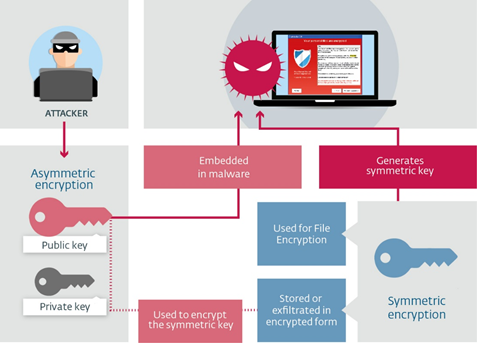
Enterprise firewalls provide proactive protection, blocking malicious traffic and identifying threats before they activate.
Some also offer sandboxing capabilities to test suspicious files in a safe environment before they enter your network.
Compliance and Data Protection Laws Are Tightening
Whether you’re handling GDPR-protected data in the UK or managing international files under other regulatory frameworks, compliance has become a key business priority.
A breach can not only cost you in terms of data loss, but also lead to hefty fines.
Enterprise firewalls allow you to implement strict access controls, data loss prevention (DLP), and secure audit trails—features that are essential for staying compliant in 2025 and beyond.
Final Thoughts
As printing businesses become more connected and data-centric, the risks they face grow in parallel.
The need for enterprise-grade security is no longer optional—it’s essential.
By investing in robust firewall protection from platforms, print service providers can not only defend against today’s threats but also position themselves as trusted, secure partners in the digital age.
Now is the time to lock down your print operations—before attackers print their own access pass to your network.
Frequently Asked Questions: Cybersecurity in the Printing Sector
Why are printing companies becoming targets for cybercriminals?
Modern print production relies heavily on connected systems, digital workflows, and cloud-based file sharing. A single vulnerability, such as an open network port, can give hackers access to sensitive client files, allowing them to halt production or steal data.
How do smart printers pose a security risk to a network?
Networked smart printers often store internal network information, user credentials, and sensitive job histories. If left unprotected, cybercriminals can exploit these IoT devices as entry points to infiltrate the broader corporate network.
Why is ransomware a major concern for the printing industry?
The printing industry operates on strict deadlines and tight production schedules. Hackers target sectors that cannot afford downtime, knowing that any delay caused by a ransomware attack can lead to severe financial loss and reputational damage.
How do enterprise-grade firewalls protect print workflows?
Enterprise-grade firewalls act as gatekeepers by inspecting traffic in real time, segmenting IoT device communication, and detecting anomalies. They block threats before they spread and ensure all sensitive data transfers remain encrypted and compliant.